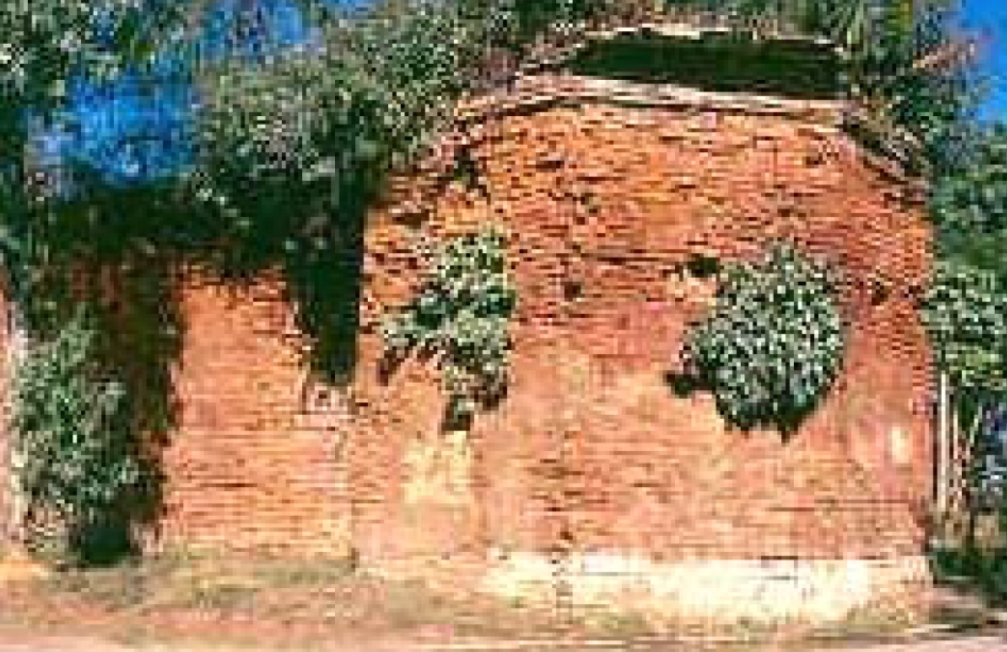
Why Brick Origins in Manipur Predate Muslim Settlements and Point to Kiyamba
The 2009 findings from the Kangla excavation in Imphal provide compelling archaeological evidence that bricks (“chek” in Meiteilon) were used in the region well…

For promotion of culture, language and identity
Explore the archive
The 2009 findings from the Kangla excavation in Imphal provide compelling archaeological evidence that bricks (“chek” in Meiteilon) were used in the region well…

Now is the season for Khongum Melei blooms, and when we see it hanging like a golden jewel from the tree, the trust, friendship,…

The Meitei owes a significant portion of its historical resilience and cultural prominence to a profound interdependence with the indigenous Maring tribe. It is…

Recently, a tale of migration to Manipur, coexistence, and shifting dynamics came to light. The ancestral homeland of the Kuki, Paite, Mizo, and Hmar,…

It was the far sighted policy of Tangkhul MP, Rungsung Suisa that he requested the Indian Government to grant relief fund for the refugee. His intention might be sincere and legitimate to check the illegal influx from the erstwhile Burma in the hills of Manipur. However, the refugee relief fund was a blunder to the indigenous khongjais of Manipur.

Observing Tangkhul Naga Labour Corps Centennial is distorting the history of Manipur Labour Corps. Around 2000 men were recruited for the 22nd Manipur Labour Corps which was divided into four companies, consisting of 500 Meeteis, 700 Tangkhuls, 400 Kukis and 300 Mao tribes.

In any protest, be it for student scholarships, job reservation, free food or any freebies, one act the hill people recite in their mouth is HAC Act. It seems a god gifted boon. In fact, this Act is the one which is dividing Manipur into Hill and Valley.

The Nagas regarded Manipur was the stronger power of the two alliances (Manipur and British). When Nagas turned down the ultimatum of British in 1833, Gambhir Singh marched upto Kohima and other Angami villages. He re-asserted the authority of Manipur over that area and reduces to submission several villages including Kohima.
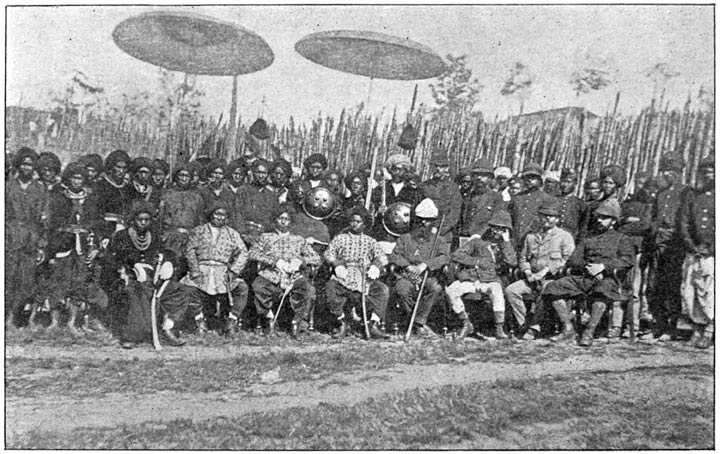
Lord Lansdowne used a significant term “The Manipur people” to mean both the people of the valley and the hills. However, the Political Agent used the term ‘Manipur’ to mean Meiteis who dwelt in the valley of Manipur.